
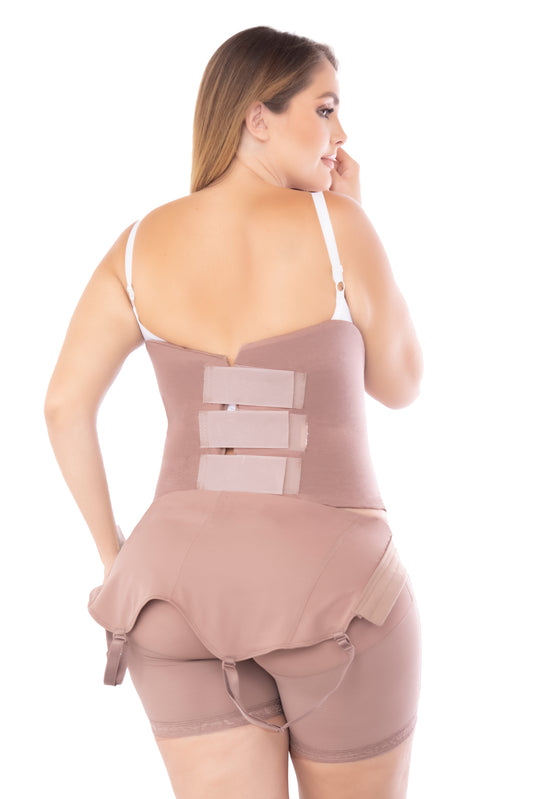

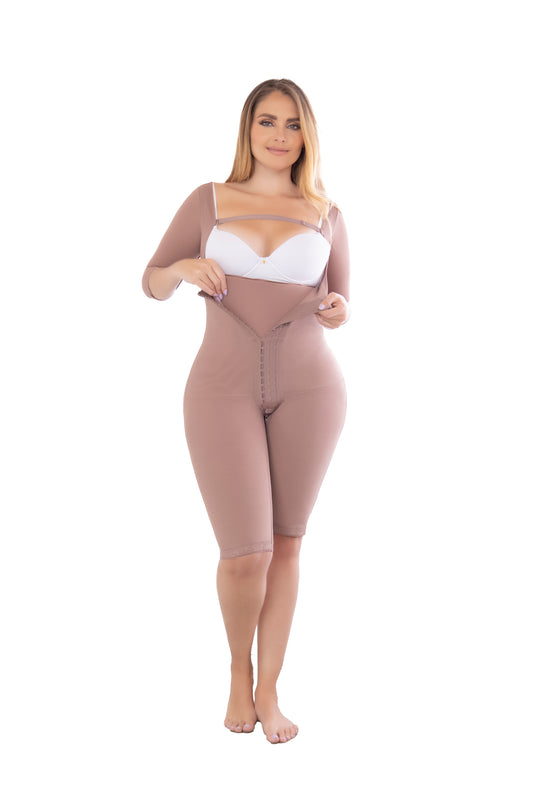


A close-fitting compression garment can feel warm because it reduces airflow and keeps fabric in constant contact with the skin.
Room temperature, clothing layers, physical activity, medication, fever, and the body’s normal response to surgery can also affect how warm you feel while wearing a faja.
Feeling warm is not always harmless. Contact your surgical team if warmth is accompanied by fever, spreading redness, worsening pain, drainage, dizziness, a rapid heartbeat, confusion, or other signs of illness.
Why Does a Compression Garment Feel Hot?
Compression garments are designed to fit closely around the body. This supportive fit can limit airflow and trap warmth between the fabric and the skin.
Other factors that may increase discomfort include:
-
Wearing multiple layers over the garment
-
Warm indoor or outdoor temperatures
-
Increased physical activity
-
Moisture collecting against the skin
-
A garment that is too small or overly restrictive
-
Adding foam, boards, or liners without professional guidance
-
Medication or changes related to the recovery process
If the garment feels painfully tight, causes numbness, restricts breathing, or creates skin discoloration, contact your medical provider.
How Outlast® Technology Works
Selected Distrimed garments incorporate Outlast® temperature-regulating material.
The technology uses phase-change materials that absorb and release heat as conditions change, helping to moderate the microclimate between the garment and the skin.
This technology originated from NASA-supported research, but it should not be described as a medical treatment or as fabric used by astronauts in space.
Outlast reports up to 48% less sweating in tests across different applications. This figure is not a guaranteed result for every garment and is not a clinical outcome established specifically for post-surgical patients.
Practical Ways to Stay More Comfortable
Try these steps while continuing to follow your surgeon’s instructions:
-
Follow the garment’s washing and care instructions
-
Wear loose, breathable clothing over your faja
-
Keep your environment comfortably cool
-
Drink fluids according to your medical team’s recommendations
-
Take only the garment breaks approved by your surgeon
-
Avoid adding liners, boards, or foam unless your provider approves them
-
Keep a second garment available so one can be washed and completely dried
-
Check the skin regularly for irritation, moisture, or unusual pressure marks
Do not apply powders, creams, oils, or other products underneath your garment unless your medical provider approves them for your skin and incisions.
Moisture-Wicking and Temperature-Regulating Are Not the Same
Moisture-wicking fabrics are designed to move moisture after it forms.
Phase-change materials are designed to absorb and release heat as temperatures change, helping to reduce sudden changes in the microclimate next to the skin.
Neither feature replaces:
-
Correct sizing
-
Proper garment hygiene
-
Skin and incision monitoring
-
Medical supervision
-
Your surgeon’s recovery instructions
When Heat May Require Medical Attention
Contact your healthcare provider if feeling hot is accompanied by:
-
Fever or chills
-
Spreading redness
-
Increasing pain
-
New or unusual drainage
-
Dizziness or weakness
-
Rapid heartbeat
-
Confusion
-
Shortness of breath
-
A new rash, wound, or significant skin irritation
Seek urgent medical care for emergency symptoms.
Looking for a More Comfortable Recovery Garment?
Distrimed offers post-operative garments with different fabrics, coverage, closures, adjustment options, and temperature-management features.
Our team can help you compare garment features and sizing, but your surgeon or licensed healthcare provider should approve the final garment and wear schedule.
Contact Distrimed for garment and sizing guidance.
Medical disclaimer: This content is educational and is not a substitute for medical advice. Recovery instructions vary by procedure, surgeon, health history, and healing progress. Always follow the instructions of your surgeon or licensed healthcare professional.

